
Bali’s New International Hospital & Foreign Specialists: What Travellers Need to Know in 2026

Last updated: 2026
Bali’s healthcare landscape is evolving fast. With the development of new international-standard hospital facilities in Sanur, the island is moving toward a higher level of specialised care — including the presence of foreign-trained and internationally experienced medical specialists working alongside Indonesian medical teams.
For travellers, expats, and long-stay visitors, this raises an important question:
What’s changed in Bali’s medical system — and what does this actually mean for you if you get sick or injured while visiting?
This guide explains how Bali’s healthcare system is changing, why foreign specialists were limited in the past, and how these new developments improve medical options for serious or complex cases — while also clarifying when local clinics and doctor call-outs remain the best first step for tourists.
Why Foreign Specialists Were Rare in Bali in the Past
For many years, Bali’s healthcare system focused primarily on local doctors and general practitioners, supported by hospitals capable of handling common emergencies and routine procedures. While there have always been highly skilled Indonesian specialists, the number of foreign specialists actively practising in Bali was very limited.
This was due to several factors:
Licensing & Regulation:
Indonesia has strict medical licensing requirements. Foreign doctors historically faced complex regulatory barriers to practising clinically in Indonesia.Healthcare Infrastructure:
Many advanced subspecialties (cardiac intervention, complex oncology care, advanced neurology, transplant-related care) require specialised infrastructure and equipment that was limited on the island.Medical Tourism Flow:
Traditionally, patients requiring complex procedures travelled to Singapore, Thailand, or Australia rather than being treated in Bali.
As a result, Bali was well-served for general medical care, minor emergencies, infections, dehydration, injuries, and acute illness, but highly specialised tertiary care often meant evacuation or overseas referral.

What’s Changed: International-Standard Hospitals & Specialist Services
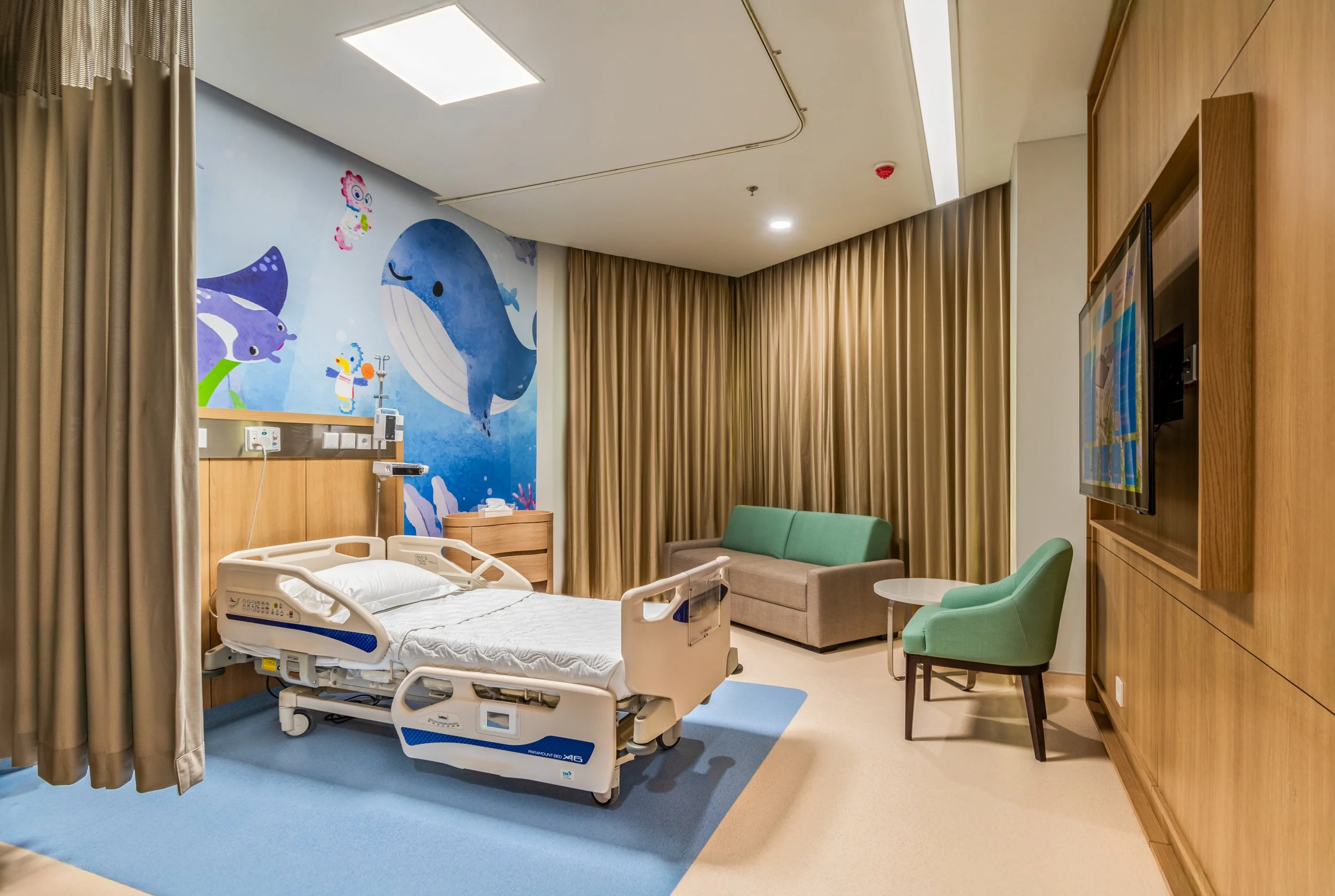
The development of new international-standard hospital facilities in Sanur represents a major step forward in Bali’s healthcare ecosystem. These hospitals are designed to:
Support advanced diagnostic equipment
Provide infrastructure for complex procedures and specialist care
Enable collaboration with internationally trained doctors and visiting specialists
Raise the overall standard of tertiary medical services available on the island
In practical terms, this means Bali is gradually becoming capable of offering higher-level care that previously required overseas travel.
This shift is part of a broader strategy to develop Bali as a regional healthcare destination, not just a holiday island.
The Role of Foreign Specialists in Bali Today
With the new hospital ecosystem, Bali is now able to host:
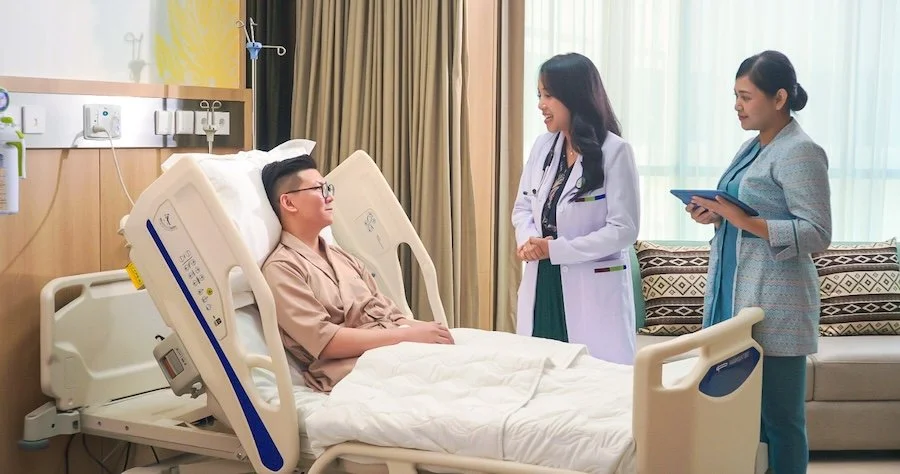
Visiting international specialists
Foreign-trained consultants collaborating with local teams
Centers of excellence in fields such as cardiology, orthopaedics, oncology, neurology, and advanced diagnostics
This does not mean Bali’s healthcare system is suddenly identical to Singapore or Australia — but it does mean that:
Certain complex cases can now be assessed locally
Some advanced treatments can be provided on-island
Specialist opinions may be available without immediate evacuation
For travellers, this is an added layer of reassurance for serious or unusual medical conditions.
What This Means for Tourists: Clinics vs Hospitals vs Doctor Call-Outs
It’s important to understand that most tourist medical issues do not require tertiary hospital care.
For common travel-related illnesses such as:
Bali Belly (travellers’ diarrhoea)
Food poisoning
Dehydration
Fever, flu, respiratory infections
Minor injuries
IV hydration and supportive care
The fastest and most appropriate option is often:
👉 Clinic consultation or a doctor visit to your hotel or villa
Hospitals — including Bali’s new international facilities — are best reserved for:
Complications requiring advanced imaging
Cardiac or neurological symptoms
Trauma or surgical emergencies
Complex or persistent medical conditions
Think of Bali’s healthcare system as layered:
First layer: Clinics & mobile doctors (fast, convenient, tourist-focused care)
Second layer: Hospitals (advanced diagnostics and emergency care)
Third layer: International-standard hospital facilities (specialised tertiary care)
This layered system ensures you receive the right level of care without unnecessary hospitalisation.
Why This Is Good News for Bali’s Medical Standards Overall
Even if you never need tertiary care, the presence of international-standard hospitals and specialist collaboration has flow-on benefits:
Improved training and clinical exposure for local doctors
Higher clinical governance and safety protocols
Better referral pathways between clinics and hospitals
Stronger healthcare ecosystem for both locals and visitors
This raises the baseline quality of medical care across the island, benefiting travellers indirectly even when treated at clinics.
What Travellers Should Still Prepare For
Even with improved healthcare infrastructure, travellers should still:
Carry travel insurance
Understand how to access local clinics and mobile doctors
Know when symptoms require escalation to hospital care
Avoid delaying treatment for dehydration, infection, or persistent symptoms
Early medical assessment often prevents minor illnesses from becoming serious complications.
Final Thoughts: Bali’s Healthcare Is Evolving — and That’s a Good Thing
The arrival of international-standard hospitals and specialist collaboration marks a new chapter in Bali’s healthcare development. For travellers, this doesn’t change the fact that most day-to-day medical issues are best handled by local clinics and mobile doctor services, but it does provide reassurance that advanced care options now exist on the islandwhen truly needed.
Bali is no longer just a destination for beautiful beaches — it’s becoming a destination with a more complete, modern healthcare ecosystem to support travellers, expats, and residents alike.