
I’ve Got Bali Belly – What Should I Do?

A Doctor’s Guide for Tourists in Bali (2026)
Quick Medical Summary (For Travellers in Bali)
If you have Bali Belly, start oral rehydration immediately, avoid alcohol, rest, and eat bland foods. Seek medical care if symptoms are severe, persistent, or you show signs of dehydration. In Bali, medical support is available via clinic consultations or doctor visits to hotels and villas across South Bali.

What Is Bali Belly?
“Bali Belly” is a common travel term used to describe traveller’s diarrhoea or food poisoning. It’s usually caused by unfamiliar bacteria, contaminated food or water, or changes in gut bacteria while travelling.
Common triggers include:
Improperly handled food
unfiltered water
Unwashed produce
Cross-contamination in kitchens

What to Do Immediately If You Have Bali Belly
If symptoms have just started, focus on hydration and rest:
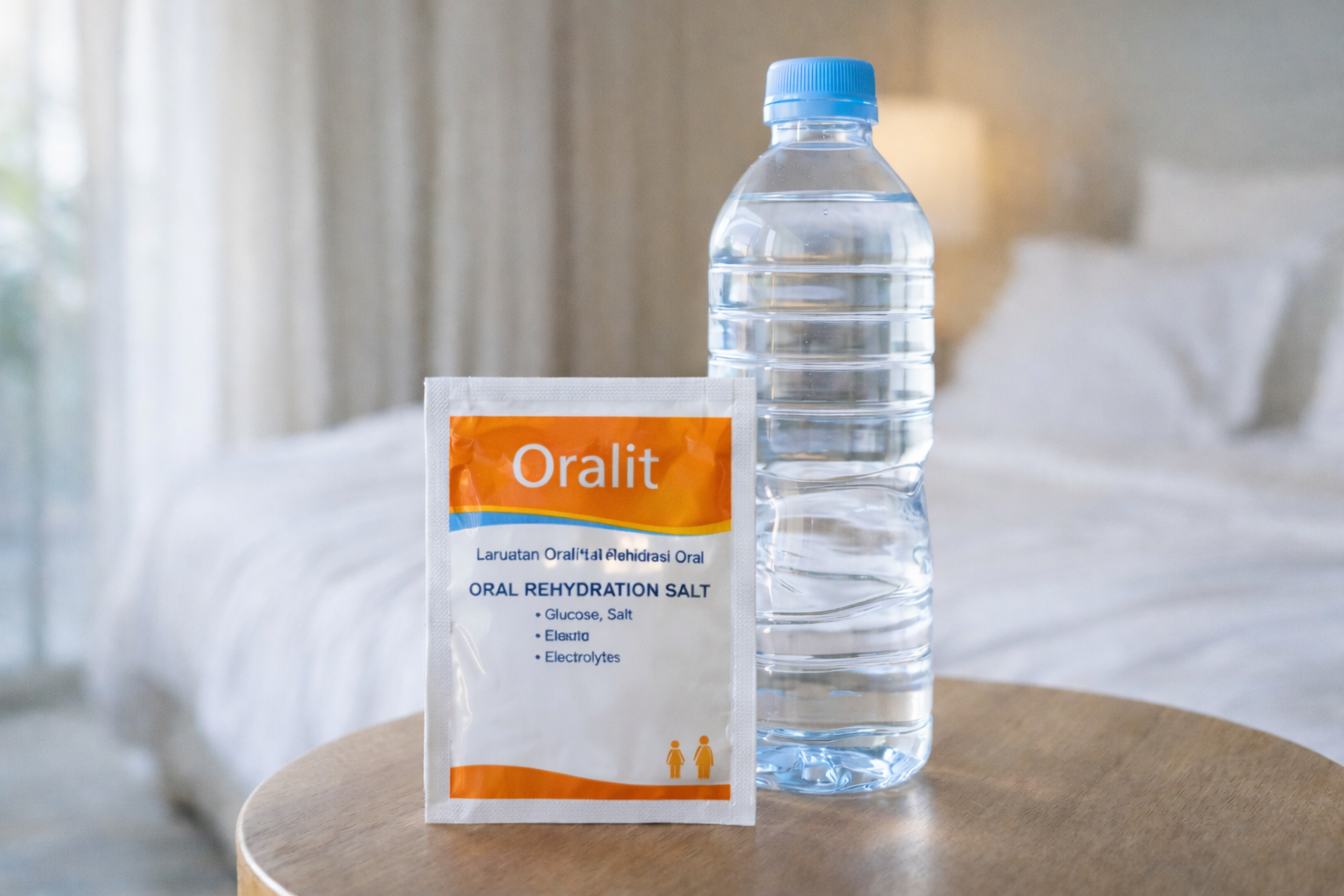
✅ Sip oral rehydration solution (ORS) or electrolyte drinks
✅ Avoid alcohol, caffeine, and dairy
✅ Eat bland foods (rice, toast, bananas)
✅ Rest in a cool environment
❌ Avoid taking random antibiotics
When Should You See a Doctor in Bali?
You should seek medical care if you experience:
🚩 Signs of dehydration (dizziness, dark urine, dry mouth, low urine output)
🚩 Persistent vomiting
🚩 Fever above 38.5°C
🚩 Blood or mucus in stool
🚩 Symptoms lasting more than 48 hours
🚩 Severe weakness or inability to drink fluids
If travelling to a clinic feels difficult while unwell, many travellers arrange a doctor visit to their hotel or villa in Bali.

How to Recover Faster from Bali Belly
The most important part of recovery is fluid replacement.
In moderate dehydration, medical treatment may include IV hydration under medical supervision when oral fluids are not tolerated.

Clinic Visit vs Doctor Call-Out in Bali
Travellers have two main options for medical care:
Clinic Consultation: Suitable if you’re stable and able to travel.
Doctor Call-Out to Your Hotel or Villa: Suitable if you’re weak, dehydrated, or prefer not to travel while unwell.

Can I Take Antibiotics for Bali Belly?
Cases of Bali Belly may require antibiotics. Some infections are viral or self-limiting. A medical assessment helps determine whether antibiotics are appropriate.

How to Reduce the Risk of Bali Belly
While not all cases are preventable, travellers can reduce risk by:
Drinking sealed bottled water
Avoiding ice from unknown sources
Eating freshly cooked food
Washing hands before meals
Avoiding unwashed raw vegetables

Medical Care for Travellers in Bali
Revive Medical provides licensed medical care for travellers in Bali, including clinic consultations and doctor visits to hotels and villas.

Frequently Asked Questions
How long does Bali Belly last?
Mild cases usually resolve within 1–3 days. Persistent symptoms may require medical treatment.
Is Bali Belly dangerous?
Most cases are mild, but dehydration can become serious in tropical climates.
Can a doctor come to my villa in Bali?
In many parts of South Bali, licensed medical teams can attend hotels and villas.
Final Advice for Travellers
If you’re asking “I’ve got Bali Belly – what should I do?”, the most important steps are hydrate early, rest, and seek medical care if symptoms worsen or persist. Prompt medical support can shorten recovery time and help prevent complications.
Last medically reviewed: 2026
This article provides general information and does not replace individual medical advice.