
The Most Common Reasons Travellers Call Revive Medical in Bali

When people imagine a Bali holiday, they picture beach clubs, villa pools, surf lessons, long lunches, and family day trips — not stomach cramps, fever, ear pain, or a child waking up sick in the middle of the night.
But travel has a way of turning small health issues into major disruptions. When you are away from home, unfamiliar with the local system, and trying to decide whether you need a clinic, a doctor, or just some reassurance, convenience matters. Revive Medical positions itself around exactly that need, offering doctor-led medical care in-clinic or at your villa, with mobile doctor visits across South Bali, English-speaking staff, insurance documentation, and opening hours of 8am to 11pm daily.
So what do travellers most commonly call Revive Medical for? Based on Revive Medical’s core service pages and the types of problems that commonly affect travellers, these are some of the main reasons people reach out for help.
[IMAGE PROMPT 1]
A premium Bali medical-travel hero image showing an Indonesian doctor arriving at a private villa to assist a traveller, tropical but clean setting, soft blue and white tones, reassuring professional mood, realistic healthcare photography, landscape format.
1. Bali Belly, food poisoning, and stomach bugs
One of the most common reasons travellers seek medical help in Bali is stomach illness. Revive Medical has a dedicated Bali Belly treatment page and describes care for abdominal pain, nausea, vomiting, and diarrhoea, with both clinic treatment and doctor visits to hotels or villas across South Bali.
From a travel-medicine perspective, traveller’s diarrhoea is one of the most predictable travel-related illnesses. The CDC notes that it can affect a substantial share of travellers depending on destination and season, and that rehydration is a key part of treatment.
In practical terms, travellers usually call when symptoms are strong enough to interfere with eating, drinking, sleeping, travelling, or leaving the room. That is often the point where having a doctor assess dehydration risk, medication needs, and whether further testing is necessary becomes much more useful than just trying to wait it out.
You can internally link this section to Bali Belly treatment, FAQs, and Contact Revive Medical. For an external reference, link to the CDC page on traveler’s diarrhea.
2. Dehydration after heat, vomiting, diarrhoea, or alcohol
Sometimes the problem is not a single illness. It is the combination of Bali heat, sweating, poor sleep, alcohol, a long flight, not drinking enough water, and then maybe vomiting or diarrhoea on top. Revive Medical’s homepage specifically highlights care for dehydration and also offers IV vitamin drips in Bali under clinic medical protocols.
The CDC advises fluid replacement for traveller’s diarrhoea and notes that oral rehydration is particularly important when fluid losses are significant. That is one reason dehydration is such a common trigger for travellers to call a doctor rather than trying to continue with a packed itinerary.
This section can internally link to IV vitamin drips in Bali, Contact Revive Medical, and About Revive Medical.
3. Fever and concern about dengue
A fever in Bali understandably makes travellers nervous, especially if it comes with headache, body aches, rash, nausea, or weakness. Revive Medical’s homepage highlights lab testing, including dengue testing and travel-related diagnostics, which is one reason many travellers reach out when they are unsure whether they are dealing with a minor viral illness or something that needs closer follow-up.
WHO says dengue symptoms can include high fever, severe headache, pain behind the eyes, muscle and joint pains, nausea, vomiting, swollen glands, and rash. WHO also notes that severe dengue can require hospital care, and warning signs such as persistent vomiting, severe abdominal pain, bleeding, or marked lethargy should be taken seriously.
For travellers, the difficult part is often not knowing whether a fever is “just a virus” or something that needs medical assessment, rest, testing, and monitoring. That uncertainty alone is a major reason people call.
Internally, link here to FAQs and Contact Revive Medical. Externally, use WHO’s page on dengue and severe dengue.

4. Ear infections after swimming, surfing, or pool time
Bali holidays involve a lot of water, which means ear problems are common too. Travellers often call with ear pain, blocked ears, tenderness, discharge, or reduced hearing after pool use, surfing, diving, or repeated showering.
The CDC explains that swimmer’s ear is an infection of the outer ear canal, which is different from a middle ear infection. Typical symptoms include pain when the outer ear is tugged, itchiness, drainage, redness, and swelling. The CDC also recommends keeping ears dry, drying them thoroughly after swimming or showering, and avoiding putting objects such as cotton buds into the ear canal.
For travellers, ear issues are one of those problems that can start mildly and then suddenly interfere with sleep, flying, swimming, or even chewing. That is why they often seek help early.
This section can internally link to doctor home visits in Bali and Contact Revive Medical. Externally, link to the CDC page on preventing swimmer’s ear.
5. Cuts, wounds, stitches, and skin infections
Travellers also contact Revive Medical for motorbike scrapes, surf cuts, infected blisters, minor wounds, and skin infections that become more troublesome in heat, humidity, and busy travel conditions. Revive Medical’s homepage specifically lists wound care, including suturing, wound cleaning, and dressings, and says this can be provided either at the clinic or through mobile doctor visits.
Even a simple-looking wound can need proper cleaning, dressing advice, tetanus review, or monitoring for infection. This is especially true when a cut happened on the road, around the beach, or after a fall where debris may have entered the wound.
This is a natural place to link internally to doctor home visits in Bali and Contact Revive Medical.
6. Sore throats, chest infections, and “holiday flu”
Not every traveller in Bali gets sick with a stomach issue. Many simply pick up a sore throat, viral infection, cough, congestion, sinus problem, or chest symptoms after flights, late nights, poor sleep, and lots of exposure to other people. Revive Medical presents itself as a general medical clinic for travellers, families, and expats, not just a Bali Belly service.
For many travellers, the real question is whether they are okay to keep travelling, whether they need treatment, or whether symptoms are starting to move beyond “just a cold.” That sort of real-world judgement call is another reason people seek an in-person doctor assessment rather than relying on guesswork.
Internally, this section can link to About Revive Medical and Contact Revive Medical.
7. Animal bites, scratches, and rabies concerns
This is one issue travellers should never ignore. Revive Medical has a dedicated rabies vaccination page and a blog post about rabies in Bali, which shows how seriously the clinic treats bites and scratches.
CDC guidance says people who may have been exposed to rabies should urgently seek medical attention. CDC states that post-exposure prophylaxis includes wound washing, rabies immune globulin, and a series of rabies vaccines, and that timely treatment is highly effective in preventing disease.
That is why even what seems like a “small scratch” from a dog, monkey, cat, or other mammal can become an urgent reason to call a doctor in Bali.
Internally, link this section to rabies vaccination, rabies in Bali, and Contact Revive Medical. Externally, use CDC’s rabies post-exposure prophylaxis guidance.

8. Forgot medication, need a prescription replacement, or just need a doctor’s opinion
Another very common reason travellers reach out is straightforward: they forgot an important medication, ran out of something essential, or need help finding an appropriate replacement. Revive Medical says its English-speaking GPs can assess patients for prescription replacement or appropriate alternatives, and the clinic also has an in-house pharmacyfor prescribed medications and travel essentials.
In many cases, travellers are not even dealing with an emergency. They simply want a doctor’s advice before boarding a boat, getting on a flight, taking part in an activity, or deciding whether a child is fit enough to continue the trip. That kind of accessible, doctor-led guidance is a major part of why clinics like Revive Medical are useful during travel.
Internally, link this to Pharmacy, About Revive Medical, and Contact Revive Medical.
9. Vitamin therapy for health, wellness, and recovery
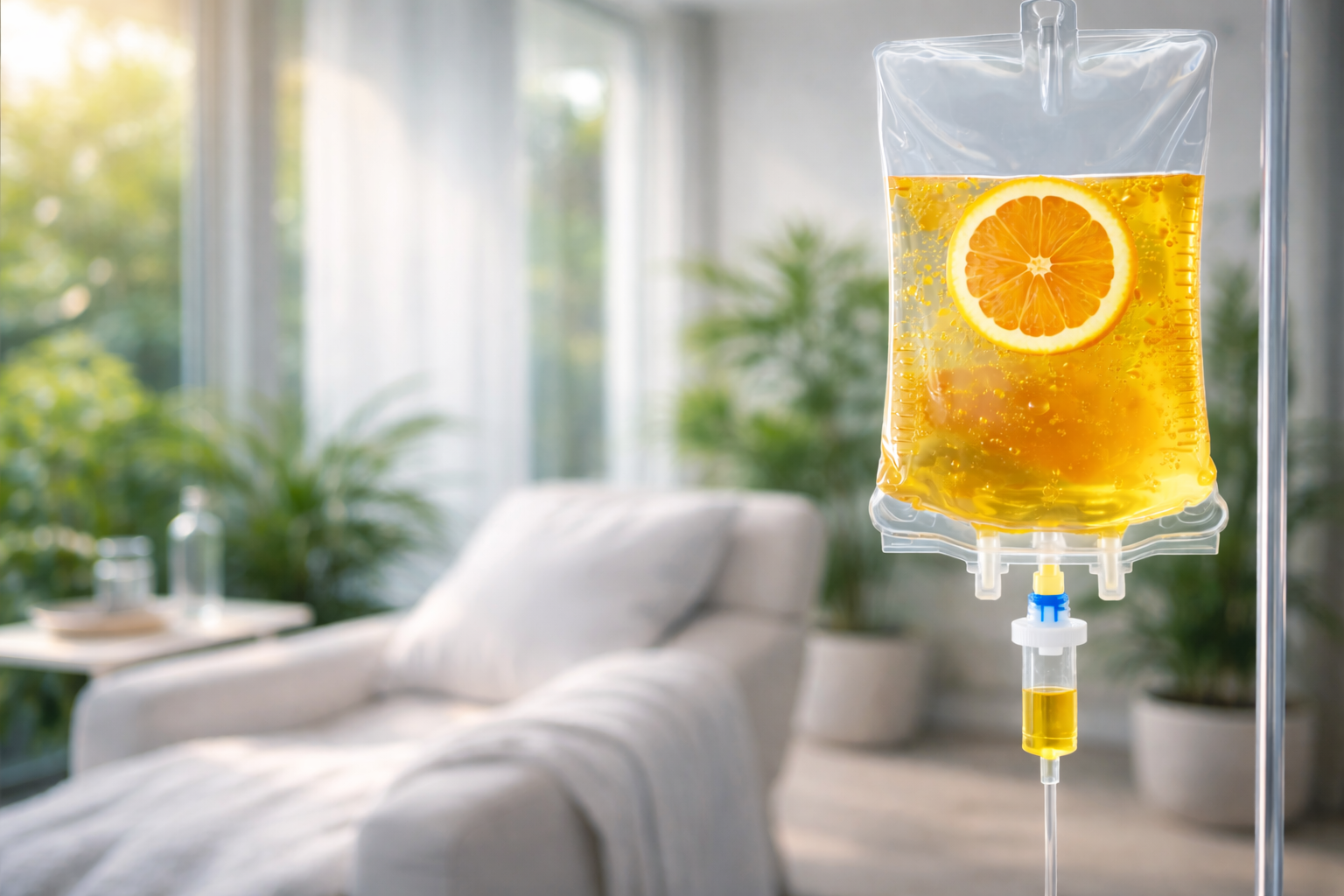
Not every traveller contacts Revive Medical because they are acutely sick. Some simply feel run down after a long flight, poor sleep, busy days in the sun, dehydration, or the physical stress of travel. Revive Medical has a dedicated IV vitamin drips in Bali page and describes hydration and vitamin therapy delivered under doctor-set protocols, available either in-clinic or via hotel and villa service across South Bali.
Revive Medical’s own wellness IV page describes these treatments as being used to support hydration, energy, recovery, wellbeing, and immune support, with clear English communication, safety screening, and daily availability from 8am to 11pm.
The key point is that supportive therapy should not be treated as one-size-fits-all. Revive Medical’s About page says every patient is assessed individually by a licensed doctor to determine the most suitable course of care, whether that involves medication, IV therapy, diagnostic testing, or referral.
This section can internally link to IV vitamin drips in Bali, About Revive Medical, and Contact Revive Medical.
Why travellers often choose a doctor call-out in Bali
When you are staying in a hotel or villa and feeling terrible, the last thing you want is traffic, navigating an unfamiliar system, or sitting in a waiting room. Revive Medical makes mobile care a core part of its service, stating that it provides doctor and nurse visits across South Bali, including areas such as Canggu, Seminyak, Kuta, Legian, Sanur, Denpasar, Jimbaran, Nusa Dua, and Uluwatu.
For families with children, travellers without transport, or anyone too unwell to move around comfortably, that convenience is often exactly why they call. Revive Medical also says it provides medical reports and itemised documentation to support travel insurance claims where appropriate.
Final thoughts
The most common reasons travellers call Revive Medical in Bali are not always dramatic emergencies. More often, they are the kinds of real travel problems that quickly interrupt a holiday: Bali Belly, dehydration, fever, possible dengue, ear infections, wounds, respiratory illness, animal bites, forgotten medication, and doctor-led vitamin therapy for recovery and wellbeing. Revive Medical’s service pages show that the clinic is built around exactly these kinds of traveller needs, with both in-clinic care and mobile doctor visits available daily.